NBIA Disorders Association
Nearly three decades of education, community, advocacy, and family support for NBIA disorders, including BPAN, our first U.S. family-support partner.
Home / Families
A childhood-dementia diagnosis is overwhelming. Whether you’re newly diagnosed or years in, here’s where to start and who can help.
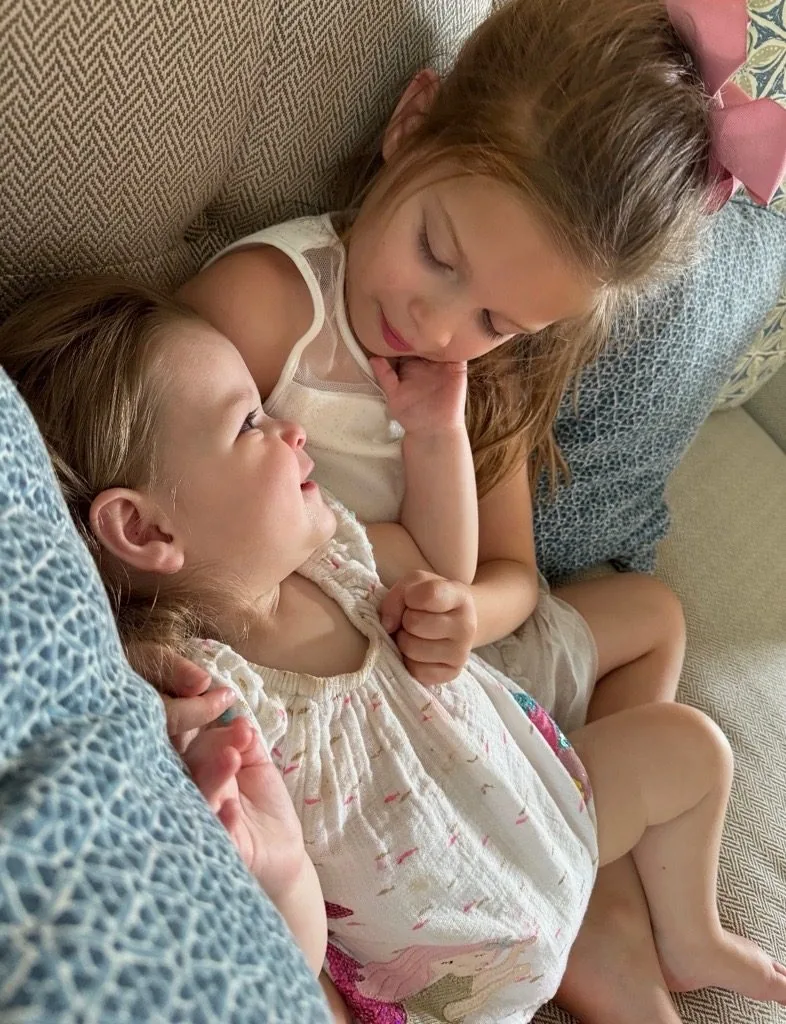
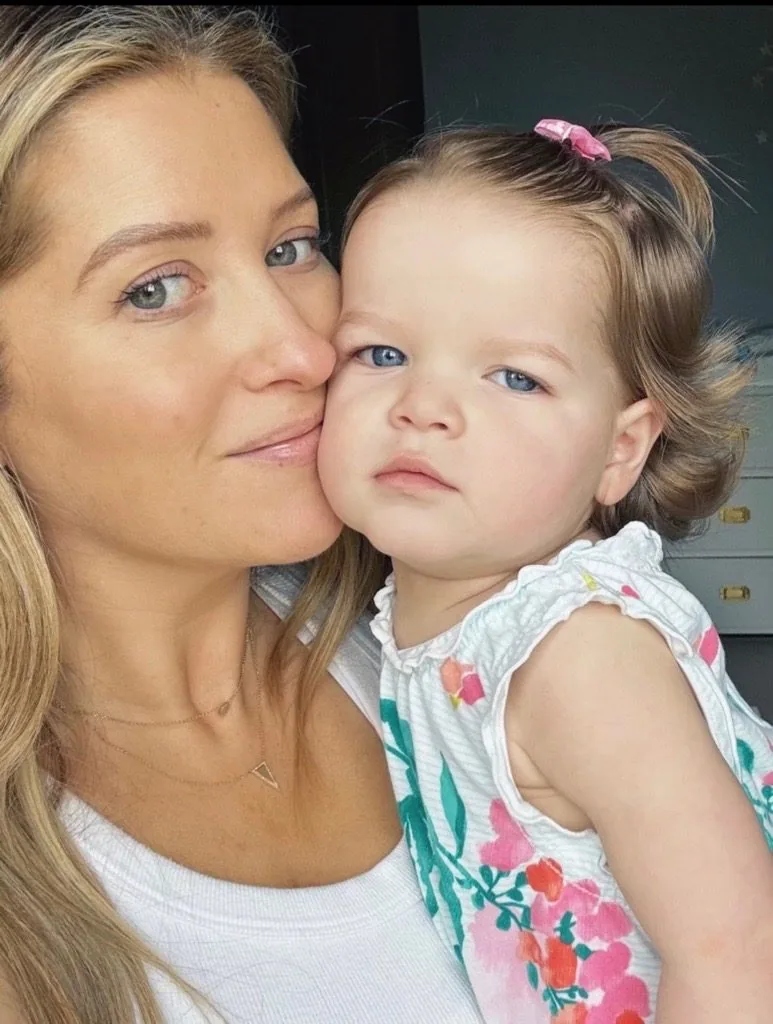
Families facing childhood dementia carry enormous medical, financial, and emotional weight. Through our partnership with the NBIA Disorders Association, we focus on relief you can feel.
$60,000 to date in support of the NBIA Disorders Association, led by its president, Amber Denton, and the families it serves: an initial $50,000 partnership gift, plus a recent $10,000 gift sponsoring a table at the NBIA family conference.
What support can look like:
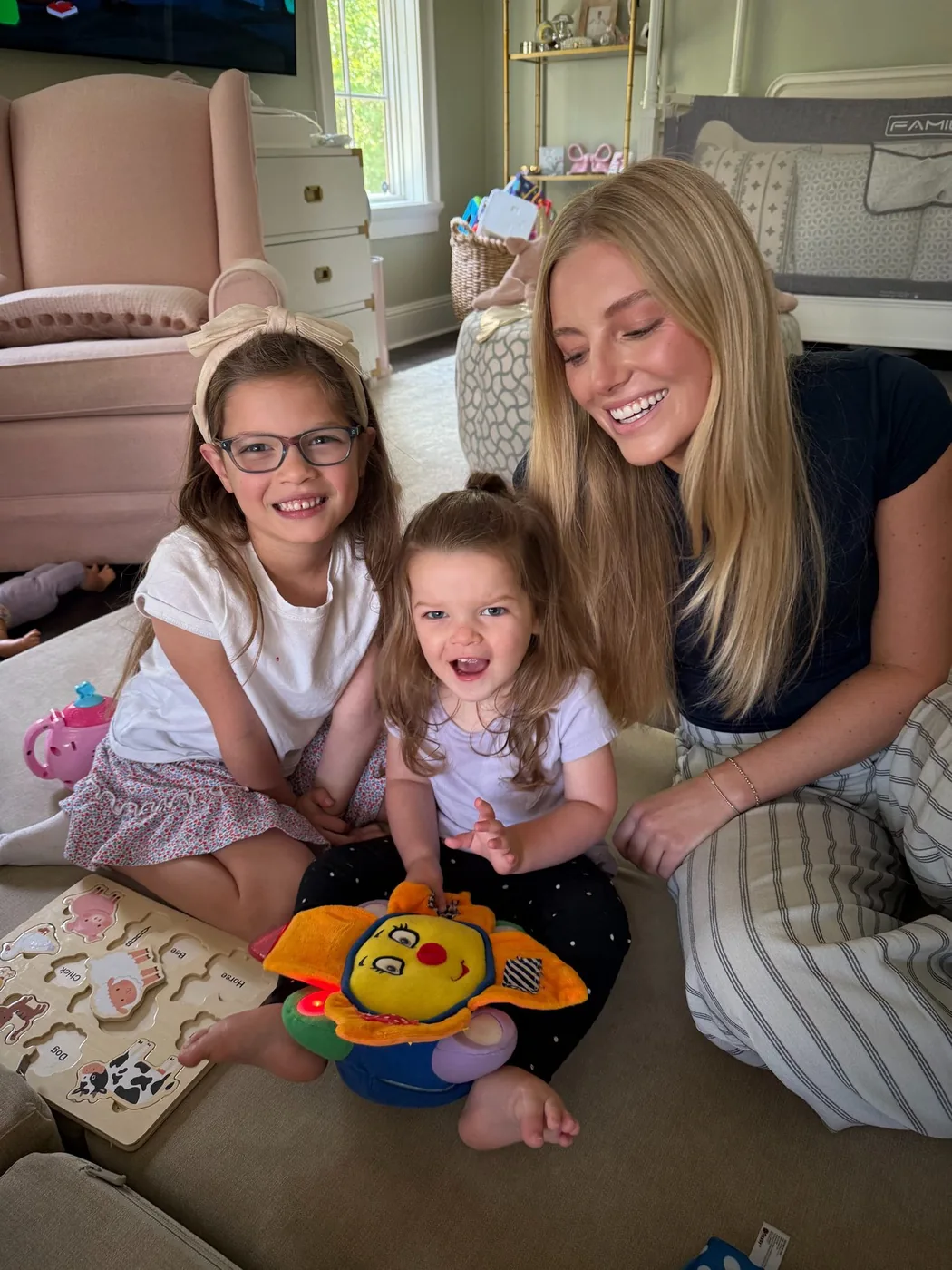
Nearly three decades of education, community, advocacy, and family support for NBIA disorders, including BPAN, our first U.S. family-support partner.
Global data, awareness, and advocacy that make childhood dementia visible, and that underpin the statistics behind this crisis.
A Medicaid waiver or a Katie Beckett (TEFRA) program can cover much of what private insurance will not: private duty nursing, respite, home and vehicle modifications, specialized equipment, and therapies. Many of these programs count only the child’s income rather than the family’s, so families who would not otherwise qualify for Medicaid may still be eligible. Kids’ Waivers gathers what every state offers into one place.
Kids’ Waivers is an independent research project, not a program administrator, so it can point you to what your state offers but cannot enroll your child. Waiting lists are common, so it helps to apply early.
For a rare disease like BPAN, expertise and research cluster at just a handful of distant centers. Isa’s family is in the Southeast, yet the research they fund is across the country at Stanford. That is why the Foundation is working to bring expert care closer to home, starting with the new program at UF Health in Gainesville.
Specialized BPAN care still clusters at a handful of centers, OHSU (Portland), CHOP (Philadelphia), Children’s Healthcare of Atlanta, Wolfson Children’s (Jacksonville), and UTHealth Houston, so many families still travel far for care.
Isa is one of a small, determined community of children and families facing BPAN. Their courage fuels the science, and reminds us exactly who we’re fighting for.
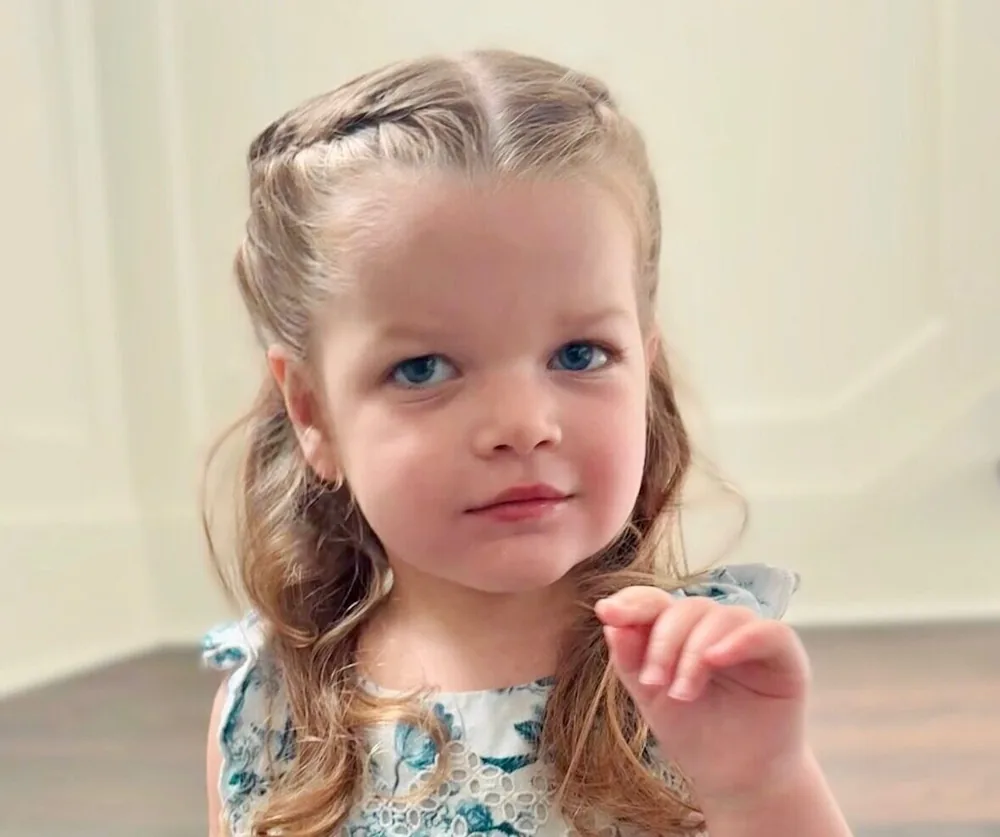
Diagnosed with BPAN at just one year old. Her story is why this foundation exists, and why no child should face this disease without hope.
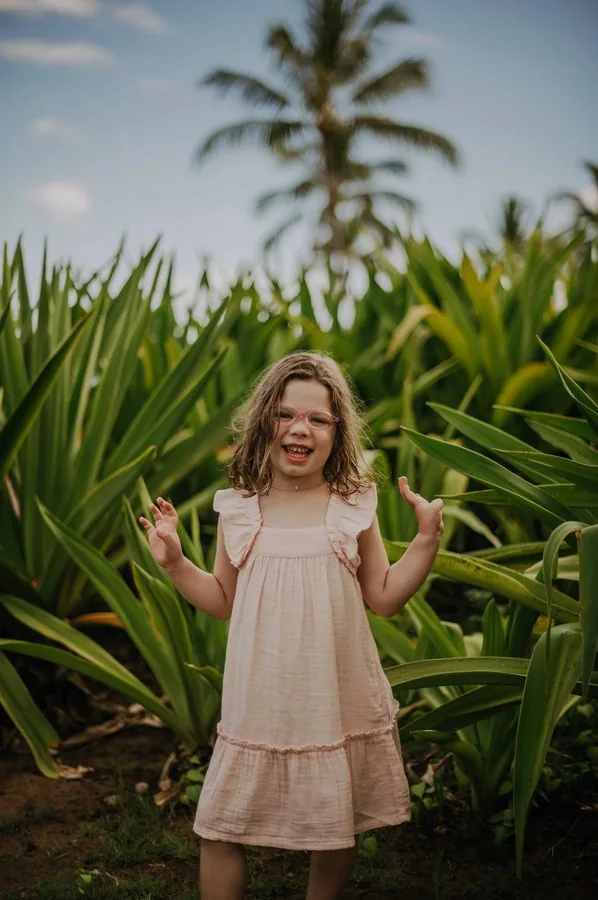
Zoe, daughter of Sheri Hansen, is one of the young BPAN warriors whose family is helping rally support for the research, including the Stanford BPAN initiative.



Are you a BPAN or NBIA family who would like to be featured here? We would be honored to share your child’s story, with your permission.
Photos are shared with family permission.
Our aim is direct support toward the costs families face right now: equipment and communication devices, home adaptations, travel to specialist clinics, and respite. More programs are planned, and support is available today through our NBIA Disorders Association partnership.
In development: the Isa Elaine Childhood Dementia Family Fund, a dedicated program to help cover these costs.
A specialized wheelchair or communication device, travel to a specialist clinic, or an urgent home modification can meaningfully change a family’s day-to-day reality. Relatively small amounts go a long way.
Today, our partnership with the NBIA Disorders Association lets us support families now, and we are planning more direct-support programs to reach families facing childhood dementia.
Reach out to the NBIA Disorders Association to connect with other families and resources, and build a care team experienced in NBIA/childhood neurodegeneration. You’re welcome to contact us, too, we’ll point you in the right direction.
Family support is delivered today through our partnership with the NBIA Disorders Association, with more direct-support programs planned. Contact us and we’ll point you to current resources.
Ask your care team about registries and studies, and follow our updates, as the Stanford initiative progresses, we’ll share opportunities to participate.
Yes. BPAN’s early “critical window” gives researchers a chance to intervene, and the Stanford program is actively pursuing biomarkers and drug candidates. See the latest research progress →
Whether you need a pointer to the right resource or just someone who understands, you’re welcome to contact us directly.