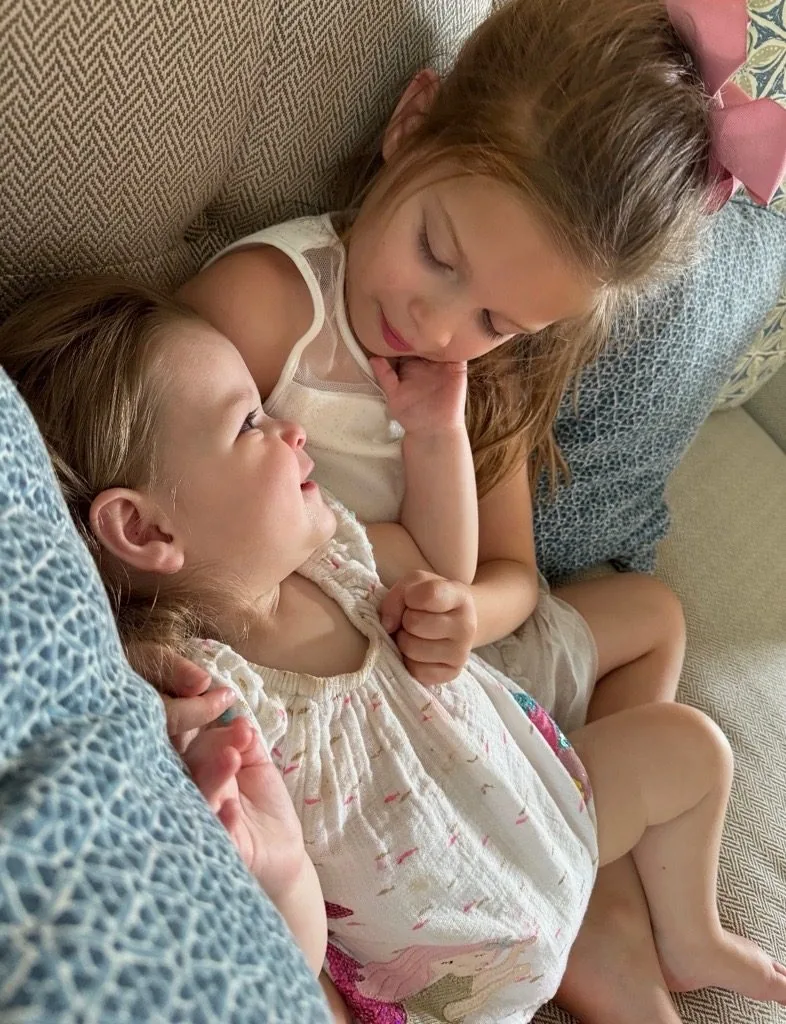
How one family refused to accept that nothing could be done.
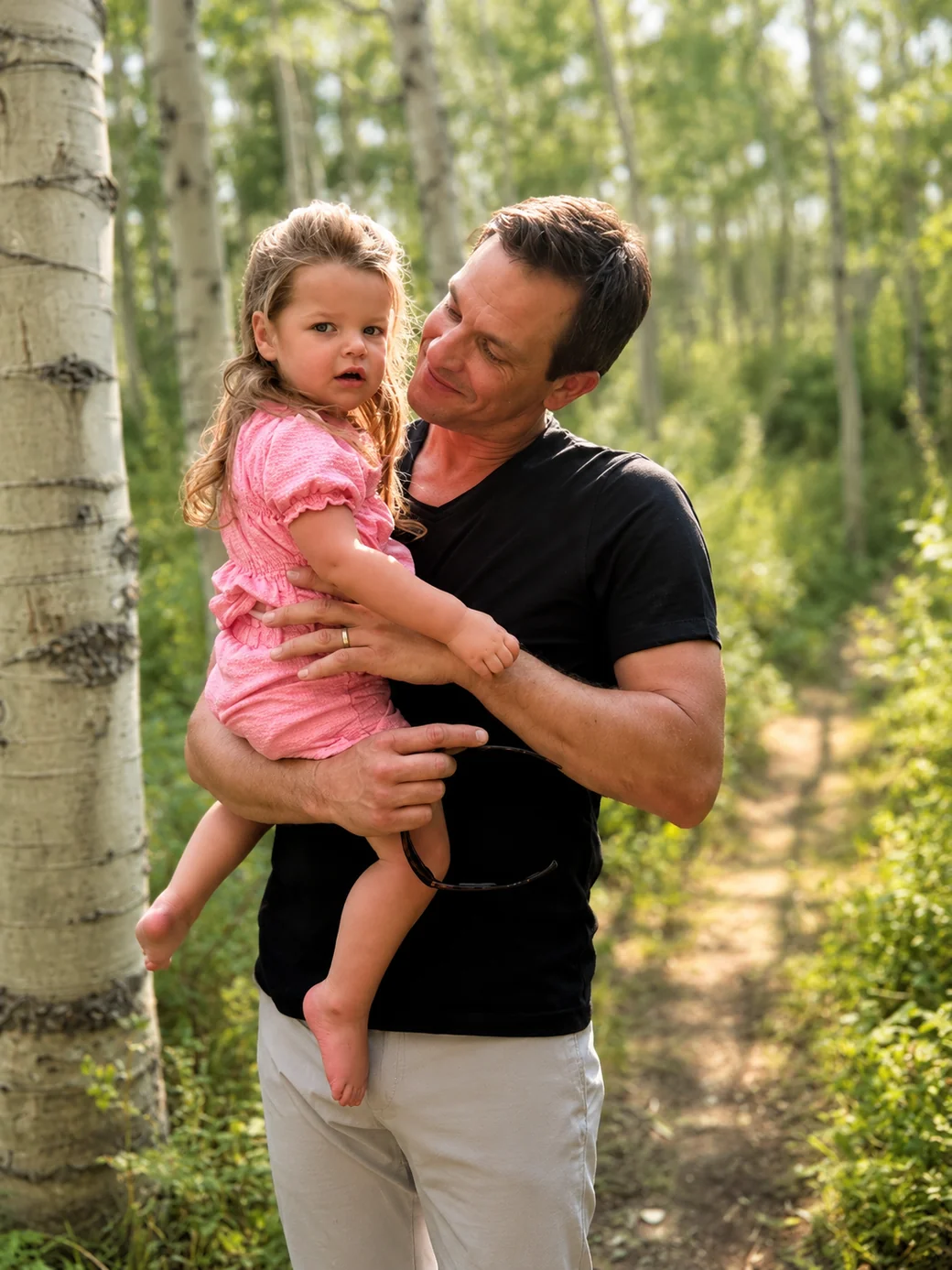
Chris Lazzara with his daughter, Isa.
Meet Isa
One little girl. One promise.
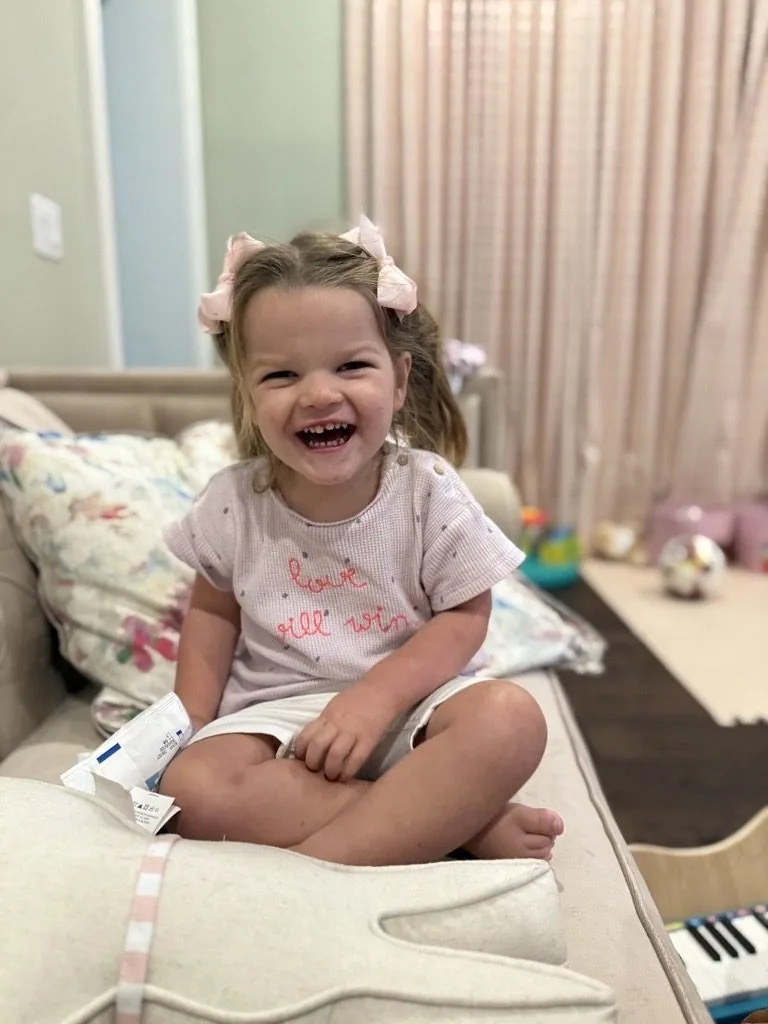
Isabella “Isa” (pronounced EE-sah) Elaine Lazzara was born in January 2023, a joyful little girl who loves to laugh. On February 12, 2024, UF Health’s genetics team diagnosed her with , a rare, genetic form of childhood dementia, and the prognosis was devastating. Instead of accepting it, her family made a promise: to fight for Isa, and for every child like her.
“We were told to take her home and make memories. We chose to fight instead, and to build something bigger than any one diagnosis.”
Founder & Isa’s father
Isa’s story
Isa’s story, from the beginning.
The ordinary miracle
On January 21, 2023, Isabella Elaine Lazzara was born in Jacksonville, Florida, the third daughter of Christopher and . She arrived the way her sisters had: with a cry, a clean bill of health, and the full weight of her parents’ love. For six months, everything was exactly as it should be.
Something is wrong
Around six months, Rachel noticed that Isa wasn’t reaching for things the way her sisters had, and wasn’t sitting up. Their pediatrician monitored her closely and recommended physical therapy, which began in August 2023. The delays were described as within the range of normal variation, and Chris and Rachel told themselves to be patient. But parents know. On an evening in early November 2023, after the girls were asleep, they finally spoke the fear neither had been willing to say aloud: something is seriously wrong with our daughter. It was the kind of conversation that divides a life into before and after.
The diagnosis
Brain imaging in late 2023 revealed an abnormality the doctors could see but could not explain. Over many long appointments they offered the reassurances every parent longs to believe, at one point telling Chris and Rachel that Isa’s condition was not neurodegenerative. But an answer this rare required genetics. UF Health’s genetics team performed a comprehensive genetic screening, and on February 12, 2024, the results came back: BPAN, beta-propeller protein-associated neurodegeneration, caused by a spontaneous, de novo change in the gene.
The diagnosis was, in a sense, invisible in the system. BPAN is so rare, and so absent from medical training, that even the clinicians delivering the news had no framework for what it would mean or where to turn. That gap was not the failure of any one doctor; it was a failure of national infrastructure. BPAN had simply never reached the awareness of the medical community in Florida, or in most of the country.
The very next day, February 13, 2024, brought an impossible turn: Rachel learned she was pregnant. Joy and devastation arrived within twenty-four hours of each other. In the weeks that followed, Chris and Rachel underwent their own genetic testing to learn whether their son was at risk. The results confirmed the change was de novo, a random event in a single cell, not inherited and not preventable. Their son would not have BPAN. The wait for that answer was among the hardest stretches of their lives.
The picture comes into focus
BPAN belongs to a family of disorders called , neurodegeneration with brain iron accumulation. It is ultra-rare, with fewer than a thousand people worldwide known to have it, and it is relentless: children lose the very skills they fight hardest to gain. For a child like Isa, whose symptoms appeared before her first birthday, the path is among the most severe in pediatric medicine.
It was only later, when Isa’s records were reviewed by her neurologist at the Children’s Hospital of Philadelphia, that the full picture came into focus. CHOP’s specialists, who had direct experience with BPAN, recognized the hallmarks: evidence of oxidative stress, patterns of iron deposition consistent with NBIA, and the early signs of impaired at the heart of the disease. What had looked like a single unexplained spot on an MRI became a detailed map of a disease already underway, and the reason this work cannot wait.
The foundation beneath the foundation
Through all of it, Rachel carried the weight, and the pregnancy, to term. She managed three young daughters, the appointments, the travel to distant hospitals, and the daily toll of a diagnosis no one could fully explain, and she did not break. She held everything together so that Chris could begin building what would come next. She is the foundation beneath the foundation: the reason this family endured what would have broken most, and the reason it built what few thought possible.
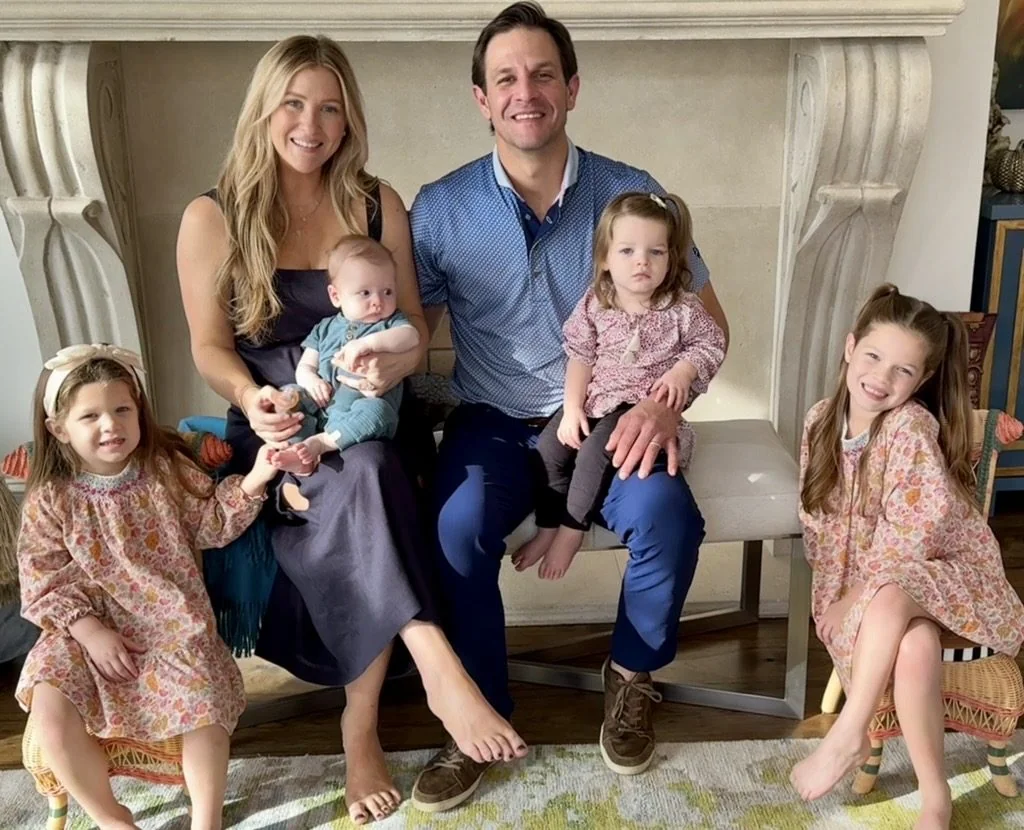
The Lazzara family, the foundation beneath the Foundation.
From one diagnosis to a broader mission
What one diagnosis revealed.
Isa’s BPAN diagnosis exposed a gap far larger than one rare disease. The Isa Elaine Foundation exists to close that gap, for Isa, and for thousands of children like her.
The invisible disease category
Childhood neurodegenerative disease is effectively invisible to American medicine: conditions that strip children of abilities they have already gained, yet remain without diagnostic codes, specialist capacity, or the research infrastructure adult brain diseases spent decades building. The science is advancing quickly. The system around these children has not kept pace.
A hypothesis worth funding
BPAN’s biology overlaps with adult Parkinson’s and Alzheimer’s, so research into Isa’s rare disease can illuminate diseases that affect millions. That is the scientific promise behind the work we fund.
In a child, the genetic cause is known and singular, the cells are young rather than aged, and the window between early symptom and severe decline can last years. Where adult research works backward from an unknown origin in aged tissue, BPAN offers a known cause in young tissue, a clarity the adult field rarely gets.
The founding
Turning heartbreak into action.
Why we exist
Childhood dementia is real, it is relentless, and it is largely invisible. The Foundation exists to change that, by funding the science that can lead to treatments, standing with families today, and making childhood dementia impossible to ignore.
How we work
We keep the team intentionally small. Operating costs are underwritten by Isa’s family, so 100% of outside gifts flow directly to research, family care, and advocacy. Established July 2024 as a 501(c)(3) nonprofit (the public name of Isabella Foundation, Inc.).
Our promise
There is a way. There is a link. There is a plan. There is a cure.
The journey
From diagnosis to a movement.
January 2023
Isa is born
Isabella Elaine Lazzara arrives healthy in Jacksonville, Florida, the third of the Lazzaras’ four children.
Summer 2023
The first signs
Around six months, Rachel first notices Isa’s development falling behind where her sisters’ had been, and their pediatrician begins monitoring closely.
August 2023
Physical therapy begins
The family starts therapy to support Isa’s development as their concern grows.
November 2023
A deeper concern
Worries extend to her cognitive development; Nemours and Wolfson Children’s Hospitals begin collaborating on her care.
February 12, 2024
The diagnosis
UF Health’s genetics team confirms BPAN, a change in the WDR45 gene. No treatment, no cure, and a family’s resolve is born.
July 2024
The foundation is founded
With PhD scientists and a dedicated board in place, the Isa Elaine Foundation becomes a registered 501(c)(3).
2025
Standing with families
A partnership with the NBIA Disorders Association begins supporting families living with BPAN and NBIA today.
December 2025
Research accelerates at Stanford
A flagship $500,000 gift launches the Isa Elaine Foundation Research Fund at Stanford Medicine.
April 2026
Care takes root in Florida
A $200,000 gift to UF Health’s Norman Fixel Institute seeds the Isa Elaine Foundation Brain Iron Disorders Care Program.
July 30, 2026
The doors open at UF Health
The program welcomes its first patients, bringing specialized care to families across the Southeast.